
Cat Eyes: Recognizing Emergency Symptoms
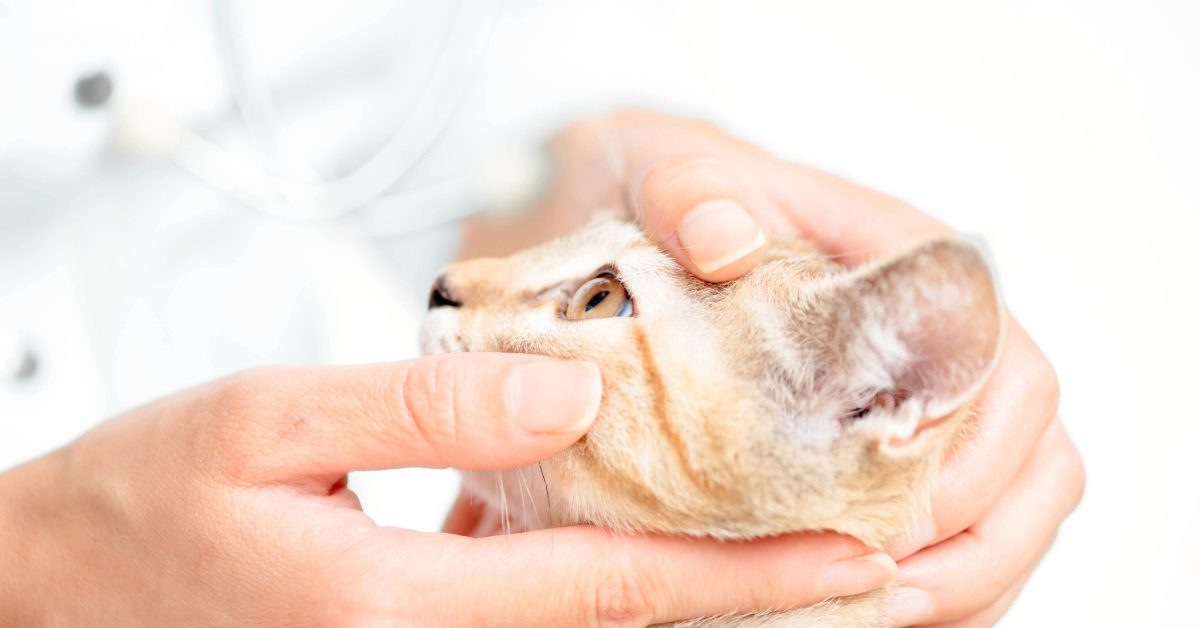
Cat eyes tell powerful stories. They reflect curiosity, comfort, fear, and sometimes pain. When your cat’s eyes change suddenly, they often signal more than a minor irritation. In many cases, a cat’s eyes provide the earliest warning of a medical emergency that needs prompt veterinary attention. This article explains how to recognize urgent symptoms in cat eyes, what those symptoms may indicate, and why fast evaluation matters for long-term vision and comfort. If you notice concerning changes in your cat’s eyes, Bay Area Pet Hospital in Traverse City, MI is here to help at 231-922-0911.
The Urgent Signs of a Feline Eye Emergency
Cat eyes normally appear clear, bright, and evenly open. When your cat’s eyes lose that healthy appearance, the body often communicates distress. Sudden changes in the eyes rarely occur without an underlying cause, and many of those causes require immediate care. Emergency warning signs in cat eyes may include:
- Cloudiness or a bluish haze
- Squinting or tightly closed eyelids
- Thick or colored discharge
- Uneven pupil size
- Visible blood inside the eye
- Bulging or sunken appearance
- Pawing at the face or hiding behavior
Cat eyes are sensitive structures connected to the brain, sinuses, and immune system. A problem in your cat’s eyes may reflect infection, trauma, pressure changes, or neurological involvement. Because your cat cannot describe discomfort, behavior becomes part of the message. When their eyes look different and your cat acts withdrawn, irritable, or lethargic, those changes often belong to the same problem. Ignoring abnormal eye appearance can allow inflammation, pressure, or infection to progress quickly. Early evaluation gives veterinarians the best opportunity to protect vision and comfort.
When Redness or Swelling Requires Immediate Care
Redness in cat eyes may appear subtle at first, but even mild redness can signal significant inflammation. Swelling around the eyes may affect the eyelids, the tissues behind the eye, or the eye itself. Each location points to different concerns.
Why Redness Matters
Red blood vessels in cat eyes usually expand when irritation or inflammation develops. Common triggers include infection, trauma, allergies, and pressure changes. When redness spreads or intensifies, it often indicates worsening inflammation. The eyes may also appear red when blood collects in the front chamber. This appearance requires immediate veterinary attention because it can interfere with vision and signal internal bleeding or systemic disease.
What Swelling Around the Eyes Can Mean
Swelling may push cat eyes forward or cause eyelids to droop. Dental disease, abscesses, sinus infections, tumors, or trauma may contribute. Swelling behind the eyes increases pressure, which can damage delicate structures rapidly. Because swelling can distort the eyes in hours rather than days, fast evaluation helps reduce long-term complications.
Potential Causes of Acute Eye Trauma
Cat eyes experience trauma more often than many owners realize. Even indoor cats can suffer injuries from falls, scratches, foreign material, or household accidents.
Common Sources of Trauma in Eyes
- Claw injuries from play or conflict
- Blunt force from falls or collisions
- Plant material or debris entering cat eyes
- Chemical exposure from household products
- Bite wounds near the face
Trauma may leave the eyes bruised, cloudy, or painful. Some injuries affect only the surface, while others involve deeper structures. Because a cat’s eyes heal differently depending on injury depth, professional evaluation determines the safest path forward.
Why Trauma Progresses Quickly
Cat eyes respond to injury with inflammation and pressure changes. These responses protect the eye but may also cause secondary damage if left untreated. Trauma may also introduce bacteria, leading to infection. When your cat’s eyes show signs of trauma, waiting often increases the risk of vision loss.
Do Not Wait: Signs of Sudden Blindness
Sudden vision changes in the eyes represent one of the most serious emergencies in feline medicine. Cats adapt well to vision loss, which sometimes delays detection. Owners may only notice subtle behavior changes. Signs of sudden blindness related to cat eyes include:
- Bumping into furniture
- Hesitation in familiar spaces
- Wide, fixed pupils
- Lack of visual tracking
- Startle responses to sound
Sudden blindness may result from high blood pressure, retinal detachment, neurological disease, or severe inflammation. Cat eyes may look normal on the surface even when vision disappears internally. That is why behavioral clues matter just as much as physical appearance.
Rapid veterinary evaluation offers the best chance to identify reversible causes and preserve remaining vision.
Understanding Discharge and Cloudiness in Cat Eyes
Discharge from the eyes often draws attention first. While small amounts of clear moisture may appear normal, thick or colored discharge rarely is.
Types of Discharge
- Clear and watery
- Yellow or green
- Thick and sticky
- Bloody
Each type suggests different underlying problems. Infection, blocked tear ducts, inflammation, and trauma all affect discharge patterns. When discharge changes suddenly or continues beyond a short period, your cat’s eyes need professional assessment.
Cloudiness and Color Changes
Cloudiness in your cat’s eyes may look like fog, milkiness, or blue-gray haze. These changes often involve the cornea or internal chambers. Cloudy eyes frequently reflect inflammation, ulcers, pressure changes, or internal disease. Because cloudiness interferes with light entering the eyes, vision often declines at the same time.
Behavioral Changes Linked to Eye Emergencies
Cat eyes influence behavior more than many owners expect. Vision, comfort, and neurological input all depend on healthy eyes. Behavioral signs associated with eye emergencies include:
- Hiding or reduced interaction
- Aggression when touched near the face
- Appetite changes
- Reduced grooming
- Head tilting
Cats may avoid light when their eyes feel painful. They may also sit with eyes partially closed for long periods. These changes often accompany visible abnormalities in the eyes, but sometimes behavior shifts appear first. When behavior and your cat’s eyes change together, the risk of serious disease increases.
Our Emergency Diagnostic and Treatment Services
At Bay Area Pet Hospital in Traverse City, MI, we approach your cat’s eyes with urgency, precision, and compassion. Our team understands how quickly feline eye conditions can evolve and how deeply they affect quality of life.
How We Evaluate Cat’s Eyes
Our diagnostic process focuses on:
- Detailed examination of the eyes and surrounding structures
- Assessment of pupil response and vision
- Pressure measurements when indicated
- Advanced imaging when needed
- Laboratory support for systemic causes
Every step helps us determine whether the eyes face infection, trauma, pressure changes, or internal disease.
Why Early Care Matters
Prompt evaluation allows us to protect delicate tissues, reduce inflammation, and identify systemic connections. Cat eyes often reflect underlying health concerns, including blood pressure disorders, immune disease, and neurological conditions. Our goal remains simple: preserve comfort, protect vision, and support long-term health.
How Eye Emergencies Affect Overall Feline Health
Cat eyes connect directly to the brain, immune system, and circulatory system. Problems in the eyes may signal disease beyond the eye itself. High blood pressure, viral infections, and autoimmune disorders often first appear through changes in your cat’s eyes. That connection makes eye health essential to whole-body health. When veterinarians examine your cat’s eyes, they also gain insight into systemic stability. For this reason, eye emergencies often uncover hidden problems early. Recognizing abnormal eyes allows earlier detection and better outcomes for the entire body.
Why Cat Owners Should Trust Their Instincts
Pet owners know when something looks wrong. If your cat’s eyes appear different, uncomfortable, or asymmetrical, those instincts deserve respect. Many serious eye conditions begin quietly and progress quickly. Waiting for symptoms to resolve on their own may allow permanent damage. The eyes cannot heal many internal problems without medical support. Fast action gives veterinarians the best chance to protect both vision and comfort.
When It’s Time to Contact Bay Area Pet Hospital
If you notice sudden changes in cat eyes, do not wait for improvement. Call Bay Area Pet Hospital in Traverse City, MI at 231-922-0911 for guidance and evaluation. Our team welcomes questions and understands how stressful eye problems can feel. We see your cat’s eyes as more than anatomy. We see them as windows into comfort, safety, and connection. Protecting their eyes protects your cat’s ability to explore, recognize, and engage with the world.
About Us
Bay Area Pet Hospital, located in Traverse City, MI, provides 24/7 emergency and urgent care with a dedicated team, advanced equipment, and a strong focus on life-saving treatment. Locally owned and operating since 2010, the hospital is committed to serving pets in crisis any time of day, every day of the year.