
Dog Ear Infection: Recognizing the Urgent Signs
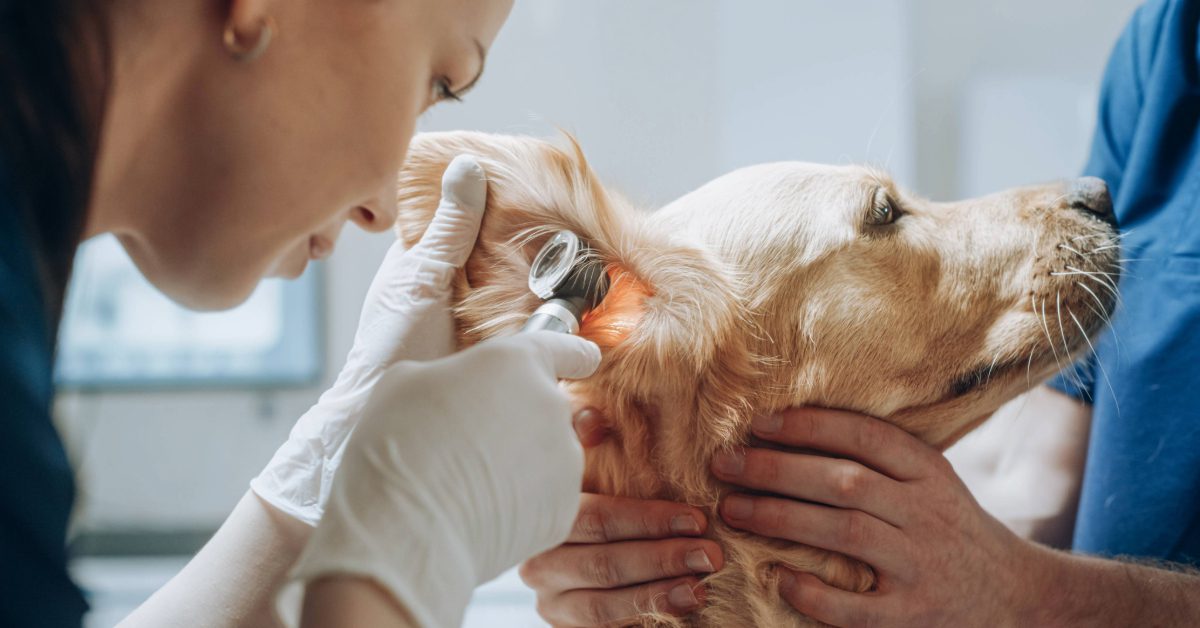
A dog ear infection often begins quietly, but it rarely stays that way. What may start as mild irritation can quickly turn into pain, imbalance, and behavioral changes that affect a dog’s daily life. Because the ear canal creates a warm, enclosed space, inflammation and infection can progress faster than many pet owners expect. Learning how to recognize the warning signs allows you to act before complications develop. In this article, Bay Area Pet Hospital in Traverse City, MI explains how to identify a dog ear infection, when it becomes urgent, and why professional care plays a vital role in recovery. If your dog shows concerning symptoms, call 231-922-0911 to schedule an evaluation.
Recognizing the Signs of a Dog Ear Infection
A dog ear infection often announces itself through changes in behavior before physical symptoms become obvious. Dogs rely on their ears for balance, communication, and comfort, so even mild irritation can quickly affect daily routines. Recognizing early warning signs allows pet owners to seek veterinary care before inflammation deepens or spreads.
Behavioral Changes That Signal Discomfort
One of the earliest indicators of a dog ear infection is a shift in behavior. Dogs may shake their heads repeatedly, scratch at one ear, or rub the side of their face against furniture or the floor. These actions reflect irritation inside the ear canal rather than simple restlessness. Some dogs become less playful or more withdrawn because ongoing discomfort affects their mood. Others may resist being touched near the head, which often indicates sensitivity and pain. Behavioral changes often appear before visible redness or discharge, making them an important early clue.
Visible Changes Inside and Around the Ear
As inflammation progresses, physical signs become easier to spot. The ear flap may appear red, swollen, or warm to the touch. Discharge may range from waxy buildup to thick, moist material with an unpleasant odor. Hair around the ear opening may look damp or matted. These visual signs suggest that bacteria or yeast are multiplying inside the ear canal. Even when discharge seems minimal, odor alone can signal active infection.
Balance, Posture, and Head Position
A dog ear infection can affect balance because the ear plays a direct role in spatial orientation. Dogs may tilt their head to one side, stumble slightly, or seem hesitant when standing or walking. Some dogs circle in one direction or hold their head at an unusual angle for extended periods. These posture changes often indicate deeper inflammation and should never be ignored. Balance-related symptoms typically mean the infection has progressed beyond the outer ear.
Systemic and Emotional Clues
Ear infections do not only affect the ears. Dogs may eat less, sleep more, or show signs of irritability. Some dogs whine, pace, or seem anxious due to ongoing discomfort. These subtle systemic changes often accompany ear inflammation and help differentiate infection from minor irritation. When multiple symptoms appear together, they usually point to a developing or worsening ear condition.
When an Ear Infection Becomes a Pet Emergency
Not every ear issue requires urgent care, but certain symptoms indicate that inflammation has progressed into a serious medical concern. Knowing when ear discomfort crosses into emergency territory allows pet owners to protect hearing, balance, and overall health. When pain intensifies or neurologic signs appear, prompt veterinary evaluation becomes essential.
Severe Pain and Rapid Swelling
Intense pain often marks the transition from irritation to emergency. Dogs may cry out, hide, or react defensively when the ear is approached. Swelling can cause the ear flap to thicken or feel firm to the touch. These changes suggest deep inflammation and pressure within sensitive tissues. Rapid progression of swelling or pain should never be delayed for routine scheduling.
Loss of Balance and Head Tilt
The ear plays a central role in balance. When infection spreads beyond the outer canal, dogs may tilt their head, stumble, or walk in circles. Some appear disoriented or hesitant to stand. These neurologic signs indicate involvement of inner ear structures and require immediate veterinary attention to prevent permanent damage.
Bleeding, Discharge, or Strong Odor
Heavy discharge, active bleeding, or a suddenly intense odor often signal advanced infection. Thick or bloody fluid reflects tissue irritation and microbial overgrowth. These symptoms rarely resolve without professional treatment and often worsen quickly when left untreated.
Facial and Eye Changes
Facial drooping, unequal blinking, or eye discharge may accompany severe ear inflammation. These signs suggest nerve involvement, which can affect facial movement and comfort. When facial changes occur alongside ear symptoms, urgent evaluation becomes critical.
Fever and Behavioral Distress
Some dogs develop fever, lethargy, or visible distress. They may refuse food, pace, or seek isolation. These systemic responses indicate the body is reacting strongly to infection. At this stage, veterinary care protects both comfort and overall health.
What to Do While En Route to the Emergency Vet
When symptoms escalate, your calm observation becomes helpful to your veterinary team at Bay Area Pet Hospital. Avoid touching inside the ear, as pressure can intensify pain. Keep your dog comfortable and prevent excessive head shaking when possible. Pay attention to posture, balance, and behavior during transport. Note any discharge, odor, or swelling you observe. These details assist your veterinarian in making faster diagnostic decisions. Gentle reassurance can reduce stress during travel. Once you arrive, our veterinary team can examine the ear safely and thoroughly.
Common Causes and Underlying Issues
A dog ear infection rarely develops without a contributing factor. In most cases, infection follows irritation, moisture retention, or chronic inflammation that weakens the ear’s natural defenses. Understanding the most common triggers helps pet owners recognize patterns and reduce recurrence.
Moisture Trapped in the Ear Canal
Swimming, bathing, grooming, and humid environments can leave residual moisture inside the ear canal. Because airflow inside the ear is limited, trapped moisture creates an ideal environment for bacterial and yeast growth. Dogs who spend time in lakes, pools, or snowy conditions often face increased risk when moisture is not able to evaporate naturally.
Allergies and Chronic Inflammation
Allergic reactions frequently drive repeated ear problems. Environmental allergens, food sensitivities, and seasonal triggers cause inflammation inside the ear canal. This inflammation disrupts the skin’s protective barrier, allowing microorganisms to multiply more easily. Dogs with chronic allergies often experience recurring ear infections unless the underlying inflammation is properly addressed through veterinary care.
Ear Shape and Breed Predisposition
Ear structure plays a significant role in infection risk. Dogs with floppy ears, narrow canals, or heavy ear hair experience reduced airflow. Heat and humidity become trapped more easily, creating favorable conditions for microbial growth. Certain breeds naturally require closer ear monitoring because their anatomy limits natural ventilation.
Foreign Material and Parasites
Grass seeds, dirt, sand, and other debris can become lodged inside the ear canal, triggering irritation and inflammation. Ear mites and other parasites also contribute to infection by damaging delicate tissue and increasing discharge. These irritants often initiate the inflammatory process that leads to infection.
Hormonal and Immune System Influences
Hormonal imbalances and immune-related conditions can alter skin health throughout the body, including the ears. When the immune system cannot regulate inflammation properly, infections may occur more frequently. Veterinary diagnostics help determine whether internal health factors are contributing to repeated ear issues.
Advanced Treatment and Diagnostics in Urgent Care
Veterinary assessment begins with a detailed examination of the ear canal. Microscopic evaluation identifies the organisms involved and the severity of inflammation. This step guides appropriate medical decisions. For chronic or severe cases, advanced imaging may be recommended. These tools allow veterinarians to evaluate deeper ear structures and determine whether the middle ear is affected. Accurate diagnosis improves long-term outcomes. Professional treatment addresses both current inflammation and the factors that allowed it to develop. Pain management, targeted medication, and follow-up planning form the foundation of effective care.
Why Professional Diagnosis Makes a Difference
Different organisms respond to different therapies. Treating the wrong type of infection may delay healing and increase discomfort. Veterinary diagnostics remove guesswork and support faster recovery. Bay Area Pet Hospital uses modern technology to provide precise, individualized ear care for dogs in Traverse City.
Protecting Comfort and Hearing Through Early Action
Ear inflammation affects balance, behavior, and daily comfort. When addressed early, most cases resolve with fewer complications and better long-term results. Bay Area Pet Hospital proudly serves Traverse City, MI with advanced, compassionate veterinary care. If your dog shows signs of ear discomfort, call 231-922-0911 to schedule an evaluation. Prompt care supports comfort, hearing, and a smoother return to normal routines.
About Us
Bay Area Pet Hospital, located in Traverse City, MI, provides 24/7 emergency and urgent care with a dedicated team, advanced equipment, and a strong focus on life-saving treatment. Locally owned and operating since 2010, the hospital is committed to serving pets in crisis any time of day, every day of the year.